-
3893 Military Trail Suite #23893 Military Trail Suite #2
-
info@medicusaesthetics.cominfo@medicusaesthetics.com
-
561‑624‑0123561‑624‑0123

Menu
Close
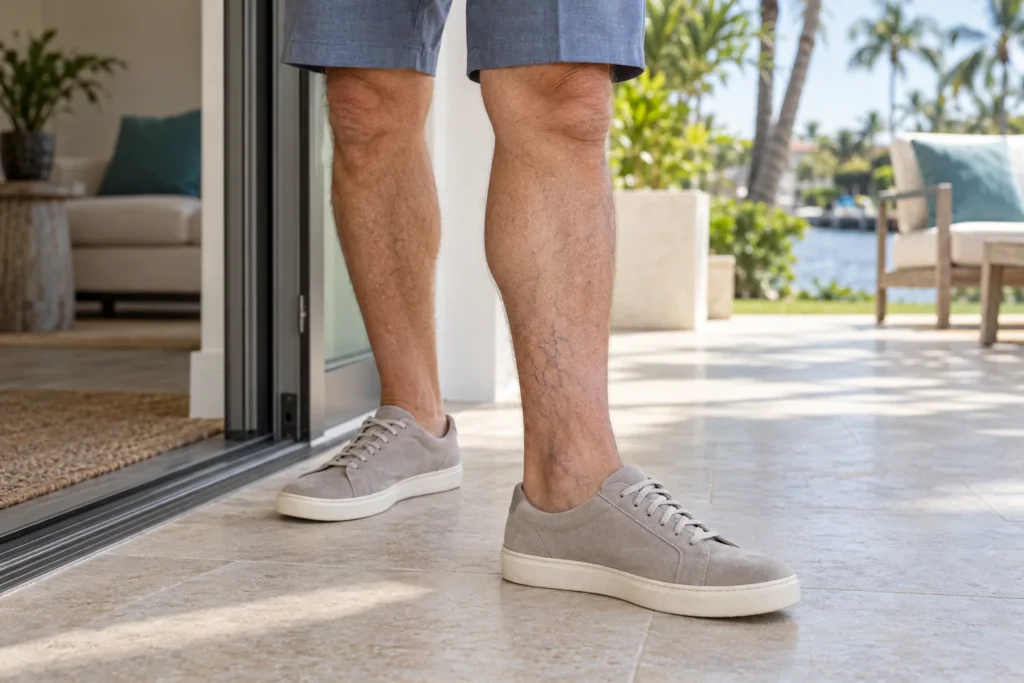
Noticing a new cluster of fine red, blue, or purple veins can bring up two questions at once: Is this only about appearance, or could it point to a larger vein concern? Spider Veins are often small surface vessels and may be mainly cosmetic. Still, the surrounding symptoms and the overall vein pattern matter.
For people in Jupiter, shorts, swimwear, warm weather, and year-round outdoor activity can make visible leg veins especially noticeable. A consultation can help separate a straightforward cosmetic concern from symptoms that deserve a broader medical evaluation. It can also prevent you from choosing a treatment before anyone has clarified what type of vein is actually present.
This guide explains what to observe, when to schedule a routine evaluation, which changes call for prompt care, and what a vein-focused visit may include.
Spider veins, also called telangiectasias, are small blood vessels that are visible close to the surface of the skin. They often appear as fine red, blue, or purple lines. Some form a branching pattern. Others look like a small web or a short group of separate lines.
They are commonly noticed on the legs, although visible surface vessels can appear elsewhere. On the legs, a cluster may develop around the thigh, calf, knee, or ankle. The veins are usually flat rather than raised.
A photograph online cannot confirm what you have. Lighting, skin tone, vessel size, and image quality can make several concerns look similar. A provider can examine the area directly and determine whether the visible pattern appears consistent with spider veins, larger reticular veins, varicose veins, another skin finding, or a mix of concerns.
It is also worth paying attention to change. A small stable cluster is a different situation from veins that appear alongside new swelling, discomfort, skin irritation, or a larger bulging vessel.
People often use the terms interchangeably, but spider veins and varicose veins have different appearances.
Spider veins are usually small and near the skin surface. Varicose veins are generally larger, raised, twisted, or rope-like. They can be blue or purple and may be easier to feel as well as see. Some people have both.
The distinction matters because a visible surface cluster does not tell the full story of how the veins beneath it are functioning. Veins in the legs rely on one-way valves to help blood travel back toward the heart. When larger vein walls or valves do not work effectively, blood can pool or flow backward, a pattern called venous reflux. That problem is associated more closely with varicose veins and chronic venous symptoms than with an isolated cosmetic spider-vein cluster.
This does not mean every visible vein requires imaging or treatment. It means the type, size, location, pattern, and symptoms should guide the next step. A consultation is more useful than trying to identify the vessel from a social-media photo or selecting a procedure by name.
Many spider veins do not cause pain or other health problems. The main concern may be that they are visible in shorts, dresses, or swimwear, or that the person simply dislikes how they look.
That is still a valid reason to ask for an evaluation. Cosmetic does not mean trivial, and you do not need to defend why a visible change bothers you. The goal of the visit is to understand the concern and discuss realistic options without suggesting that treatment is medically required when it is not.
If appearance is your only concern, tell the provider clearly. Useful details include how long the veins have been present, whether the pattern has changed, whether you have received prior vein treatment, and what kind of improvement you would consider worthwhile.
It is equally acceptable to decide against treatment after learning more. A good consultation should clarify choices, limitations, possible side effects, follow-up needs, and the chance that new veins may appear over time. It should not create pressure to proceed.
Visible veins deserve a broader discussion when they appear with symptoms. Mention any aching, heaviness, burning, itching, cramping, throbbing, fatigue, or swelling in the legs or ankles. Explain whether the symptoms worsen after long periods of sitting or standing and whether they improve when you move, rest, or elevate your legs.
Also report skin changes around the lower legs or ankles. These may include persistent discoloration, dryness, irritation, thickening, or a sore that is slow to heal. A large raised vein, an area that becomes painful or inflamed, or repeated bleeding should not be treated as a simple cosmetic detail.
Symptoms do not automatically prove that the visible spider veins are causing the problem. Leg discomfort and swelling have many possible causes. The important point is that the provider needs the complete picture before recommending a cosmetic procedure.
If you have a personal or family history of varicose veins, blood clots, circulation problems, leg ulcers, or prior vein procedures, bring that up as well. Pregnancy history, hormone use, injuries, surgery, long travel, and work that requires prolonged sitting or standing may also be relevant to the evaluation.
Some symptoms should not wait for a routine cosmetic appointment.
Seek prompt medical guidance for sudden or significant swelling in one leg, new warmth or redness, unexplained calf or thigh pain, a vein that becomes hard and very tender, rapidly worsening symptoms, or a new open sore. These changes may have causes unrelated to spider veins and require timely assessment.
Call 911 or seek emergency care for chest pain, sudden shortness of breath, coughing up blood, fainting, or other symptoms that could signal a serious cardiopulmonary problem. Active bleeding from a varicose vein is also an emergency.
This distinction protects against a common mistake: assuming that every visible vein and every leg symptom belongs in the same cosmetic category. Spider veins themselves are often a surface concern, but they should not be used to explain away sudden symptoms. When the change feels abrupt, severe, or unusual for you, choose medical evaluation over waiting for a scheduled aesthetic visit.
A vein consultation usually begins with conversation and a physical examination. The provider may ask when the veins appeared, what symptoms you notice, how the symptoms behave during the day, and whether you have had previous vein treatment. Health history, medications, pregnancy history, clotting history, and family history can influence the assessment.
The physical examination may look at both legs rather than only the small area that first caught your attention. The provider may assess the visible pattern, swelling, skin changes, tenderness, and larger veins. Standing can make certain vein patterns easier to evaluate, so the examination position may vary.
Some people may need a duplex ultrasound to assess blood flow and look for reflux or another concern. Others may not. Imaging decisions depend on the symptoms, examination, and clinical question. An ultrasound is not simply a box that every cosmetic consultation must check, and the need for one should be explained.
At Medicus Aesthetics, the sclerotherapy service uses a consultation-first approach for spider veins and select vein concerns. The practice is led by Dr. Christopher W. Boyes, a board-certified vascular surgeon. That background is relevant because the safest plan starts with identifying the vein concern rather than assuming every visible vessel should be treated in the same way.
You do not need to arrive with a perfect symptom diary. A few concrete observations can make the discussion more useful.
Consider noting:
Photos can be helpful when a symptom comes and goes, but do not delay care to collect them. If you do take pictures, use similar lighting and include enough of the leg to show the location. Avoid editing color or contrast, since those changes can distort the appearance.
Bring clothing that allows the area to be examined comfortably. Ask the office whether there are any specific preparation instructions. Do not stop blood thinners, hormones, supplements, or other medications on your own in anticipation of a consultation or treatment.
Treatment choice should follow evaluation, not lead it. Sclerotherapy is commonly used for appropriate small surface veins on the legs. A specialized solution is injected into selected vessels so they close, and the visible change occurs gradually as the body processes the treated vein.
Not every vein is a fit for that approach. Larger veins, symptomatic patterns, underlying reflux, the location of the vessel, medical history, and prior response can change the recommendation. Some concerns may need another vein treatment, further testing, referral, or observation instead.
If you are comparing procedures, Medicus has a separate guide to sclerotherapy and laser vein removal. Use that comparison as background, not as a substitute for an examination. Device names and treatment categories cannot show whether a specific vessel is appropriate to treat.
Expectations matter too. Treated veins may fade gradually, more than one session may be discussed, and new veins can develop later. Temporary bruising, tenderness, swelling, or skin-color changes are possible. Less common but more serious complications also exist. Your provider should explain the risks that apply to the proposed method and your health history before you consent.
A focused list can help you leave with clearer information. Consider asking:
If sclerotherapy is recommended, review the separate sclerotherapy aftercare guide and then follow the individualized instructions provided for your procedure. General online advice should never replace the plan from the treating clinician.
Spider veins are often a cosmetic surface concern and usually do not cause serious problems. However, a visible vein pattern cannot explain every symptom. Pain, swelling, skin changes, sores, larger raised veins, or sudden changes deserve medical discussion.
An isolated spider-vein cluster is often painless. Leg pain or swelling may be related to another vein issue or an entirely different condition. A clinician should assess the full symptom pattern rather than assuming the smallest visible veins are the cause.
No. A provider may recommend duplex ultrasound when symptoms, examination findings, larger veins, prior history, or concern about blood flow make imaging useful. A small cosmetic cluster without other concerns may be evaluated differently.
Visible spider veins often remain unless treated, although their appearance can change. Pregnancy-related veins may change after delivery. An evaluation can clarify whether observation or treatment is reasonable for the individual situation.
No. Suitability depends on the vessel type, size, location, medical history, symptoms, and other clinical factors. A consultation is needed before selecting a procedure.
Successfully treated vessels may fade, but treatment does not prevent every future spider vein. New visible veins can develop over time, and some people may discuss additional sessions or maintenance.
If visible leg veins are bothering you, or if you are unsure whether symptoms change the picture, a focused evaluation can provide clarity before treatment decisions are made. Medicus Aesthetics offers physician-led vein care in Jupiter with an individualized, consult-first approach.
Schedule your consultation to discuss the visible pattern, your health history, your goals, and whether sclerotherapy or another next step may be appropriate.
