-
3893 Military Trail Suite #23893 Military Trail Suite #2
-
info@medicusaesthetics.cominfo@medicusaesthetics.com
-
561‑624‑0123561‑624‑0123

Menu
Close

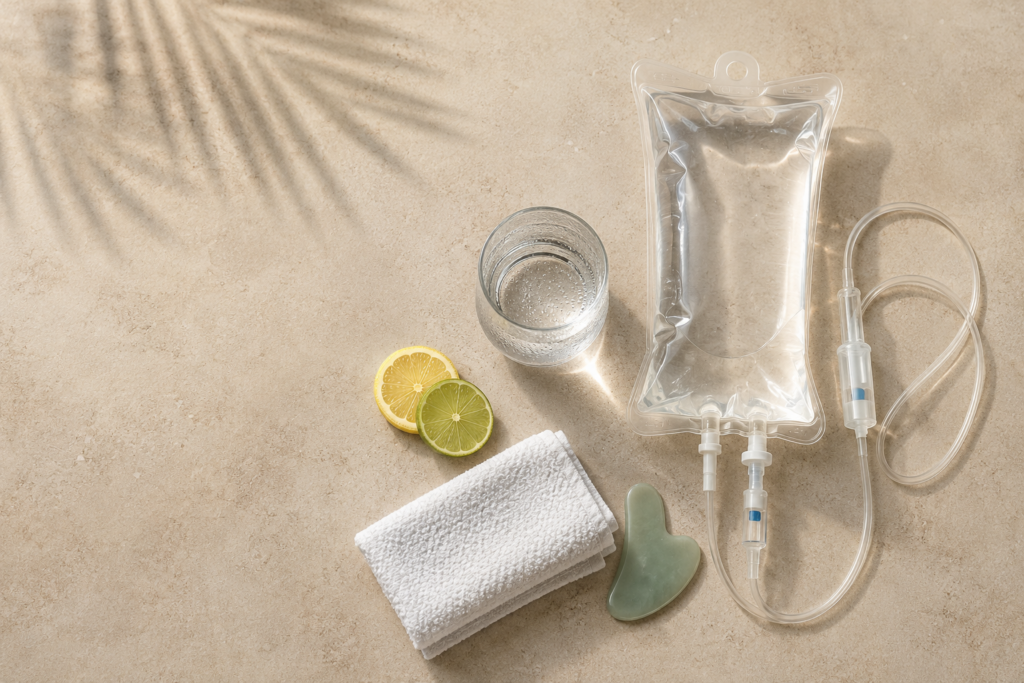
Summer in Jupiter often means heat, humidity, travel, outdoor workouts, beach days, and a calendar that fills quickly. It can also make hydration and recovery feel harder to manage. Water, balanced meals, rest, and sensible heat precautions remain the foundation of summer wellness. Still, some adults explore IV Therapy as an additional, clinician-guided option when they want a more personalized approach.
The important question is not whether an IV drip sounds convenient. It is whether the service fits your health history, current needs, and goals. This guide explains how to approach IV therapy thoughtfully, what to discuss during a consultation, and how to plan a visit without treating it as a substitute for everyday hydration or medical care.
South Florida summers can be demanding. Heat and humidity affect how comfortable it feels to exercise, work outdoors, travel, and recover after a busy week. That does not mean every tired afternoon or difficult workout calls for a treatment. It means your routine may need more attention.
Start with the basics: drink fluids regularly, eat balanced meals, take breaks from the heat, protect your sleep, and adjust strenuous activity when conditions are uncomfortable. These habits do most of the daily work. An IV service should not be used to justify skipping them.
It also helps to separate ordinary wellness concerns from symptoms that need medical attention. Severe weakness, confusion, fainting, chest pain, difficulty breathing, or persistent vomiting should not be managed as a routine wellness appointment. Seek timely medical evaluation instead.
A responsible approach begins with context. Are you planning ahead for a demanding travel week? Are you struggling to maintain your usual routine in the heat? Do you have a medical condition or take medication that affects fluid balance? Those details matter more than a trendy drip name.
IV Therapy delivers fluids and selected ingredients through a small catheter placed in a vein. Depending on the service and the individual, a formula may include saline, vitamins, minerals, or other components chosen by a qualified provider.
Because the contents enter the bloodstream directly, screening and professional oversight matter. More is not automatically better. A formula that sounds appealing may not be appropriate for every person, and ingredients should not be selected only because they are popular on social media.
At Medicus Aesthetics, the IV therapy service is presented as a personalized wellness option. The purpose of a consultation is to review goals and choose an approach that makes sense for the individual. Readers who want a broader overview can also review the clinic’s complete IV hydration therapy guide.
IV treatment is different from drinking water or taking an oral supplement. That difference does not make it universally necessary or superior. Oral hydration is practical and appropriate for many everyday situations. The right option depends on why you are considering care, your medical history, and a provider’s assessment.
People explore IV services for different reasons. During summer, common conversations may center on travel, demanding schedules, outdoor activity, or general wellness support. The goal should be clearly defined before a formula is discussed.
Flights, long drives, schedule changes, and unfamiliar routines can make it harder to maintain normal habits. Some people ask about IV therapy around travel because they want a structured wellness visit. Timing should be discussed with the provider, especially if you have a health condition, recently felt ill, or are taking medication.
Golf, tennis, running, strength training, boating, and other outdoor activities are common in Palm Beach County. People with active schedules may be interested in hydration or recovery support. An IV appointment does not replace pacing, heat precautions, nutrition, sleep, or a sensible training plan.
Work, family obligations, and summer events can leave little room for recovery. IV therapy may be one part of a broader conversation about wellness, but it cannot correct chronic sleep loss, poor nutrition, or an unsustainable schedule. A useful consultation should keep expectations realistic.
If drinking enough fluid is challenging because of nausea, ongoing illness, or another medical concern, do not assume a routine med spa service is the correct solution. Contact an appropriate healthcare professional. Persistent symptoms deserve evaluation rather than self-selection of a wellness treatment.
A consultation is more than choosing from a menu. It is the point where safety, goals, and expectations come together.
Be prepared to discuss your health history, allergies, current medications, supplements, recent symptoms, and the reason you are considering IV Therapy. Share any history involving the heart, kidneys, blood pressure, fluid restrictions, pregnancy, or other conditions that may influence treatment decisions. Do not leave out information because it seems unrelated.
The provider may also ask about your usual hydration, diet, activity level, travel schedule, and prior experience with IV services. These questions help distinguish a practical wellness goal from a concern that should be evaluated elsewhere.
A personalized conversation should answer four basic questions:
If those answers are vague, ask for clarification. Good care should make the plan easier to understand, not more mysterious.
Preparation can make the visit more comfortable and help the provider make an informed recommendation. Follow any instructions supplied by the clinic, since individual guidance may differ.
In general, plan to:
Avoid making your own medication changes before an appointment. Do not stop a prescription, take extra supplements, or intentionally limit fluids unless the prescribing clinician gives you that direction.
If you are scheduling around a flight, athletic event, or important occasion, tell the clinic. The provider can explain whether the timing is reasonable and what variables to consider. It is better to discuss the plan early than to treat an IV appointment as a last-minute rescue.
The exact process depends on the clinic and the selected service. A typical visit may include a review of your information, confirmation of the planned formula, placement of a small IV catheter, a monitored infusion period, and removal of the catheter when the service is complete.
You may feel a brief pinch during placement. Mild tenderness or bruising at the insertion site can occur. Other reactions are possible, which is why you should ask about risks, tell the provider how you feel during the visit, and follow the clinic’s aftercare instructions.
Afterward, expectations should stay practical. Individual experiences vary. Some people schedule IV therapy because they want hydration or wellness support, but no provider can promise a particular energy level, recovery time, appearance, or performance outcome.
Continue normal wellness habits unless the clinician gives different instructions. Drink fluids appropriately, eat, rest, and avoid assuming the appointment has made you immune to heat, overexertion, or illness. If you develop a concerning or unexpected reaction, contact the clinic or seek medical care as directed.
The strongest wellness plans are rarely built around one appointment. They are built around repeatable choices.
Hydration is only one part of the picture. Sleep, nutrition, movement, stress management, sun protection, and appropriate medical care all influence how you feel. If fatigue or poor recovery continues, a clinician may need to look beyond fluid intake and consider other possible factors.
Medicus Aesthetics offers services across wellness and longevity, but a larger menu does not mean every service belongs in the same plan. Personalized care should be selective. The goal is to identify what is appropriate, what is unnecessary, and what may need evaluation by another healthcare professional.
This is also why recurring IV visits should not be placed on autopilot. Goals and health circumstances can change. Ask how often your plan should be reviewed and what signs would indicate that a different approach is needed.
A few direct questions can make the decision process clearer:
Clear answers help set realistic expectations. They also reduce the chance of choosing a service based only on marketing language.
A wellness appointment is not emergency care. If you have severe or rapidly worsening symptoms, seek appropriate medical help. Do not delay evaluation while trying to book an IV drip.
Treatment may also be unsuitable for some people based on medical history, medications, pregnancy, fluid restrictions, allergies, or current symptoms. Only a qualified provider who has reviewed your information can determine suitability.
It is equally reasonable for a provider to recommend oral hydration, routine wellness changes, follow-up with your primary care clinician, or no treatment at all. A consultation is valuable when it leads to the right decision, even if that decision is not an IV service.
Medicus Aesthetics serves adults in Jupiter and nearby Palm Beach County communities with a medical, consultative approach to aesthetics and wellness. If you are considering IV Therapy for a summer wellness goal, begin with a conversation about your health history, routine, and expectations.
The team can explain available options and whether a service may be appropriate for you. To take the next step, schedule your consultation or contact Medicus Aesthetics with questions.
No. Regular fluid intake remains the foundation of everyday hydration for most people. IV services may be considered in specific circumstances after an appropriate review, but they should not replace normal hydration habits.
Some people ask about appointments around travel, but timing and suitability are individual. Discuss your itinerary, health history, medications, and recent symptoms with the provider before choosing a date.
Visit length can vary based on screening, the selected service, and clinic protocol. Ask the clinic for an estimate when booking so you can allow enough time.
There is no single schedule that fits everyone. Frequency should depend on the reason for care, the provider’s recommendation, your response, and any changes in your health.
No. Individual responses vary, and results should not be guaranteed. A consultation can help clarify realistic goals and whether another wellness or medical approach may be more appropriate.
Suitability depends on medical history, current health, medications, allergies, pregnancy status, and other factors. People with certain heart, kidney, blood pressure, or fluid-balance concerns may require special consideration or may not be candidates. Share your full history with the provider before treatment.